Master Your Money Through Real Experience
We're launching a hands-on budget monitoring program in September 2026 — six months of practical training where you'll track real expenses, build actual budgets, and learn to spot money patterns before they become problems.
View Course Dates
What You'll Actually Learn
This isn't theory from a textbook. You'll work with real numbers, track genuine spending habits, and discover how small changes add up over weeks and months.
Tracking Fundamentals
- Setting up your first monitoring system
- Categorizing expenses that make sense
- Daily tracking habits that stick
- Spotting unusual spending patterns
- Weekly review sessions
Budget Construction
- Building budgets from actual data
- Allocating funds across priorities
- Planning for irregular expenses
- Adjusting when life changes
- Creating buffer zones
Pattern Recognition
- Reading your spending trends
- Identifying problem areas early
- Comparing months meaningfully
- Understanding seasonal shifts
- Making data-driven decisions
System Optimization
- Streamlining your tracking process
- Automating repetitive tasks
- Building custom categories
- Creating useful reports
- Maintaining long-term records
Goal Management
- Setting achievable targets
- Breaking down large goals
- Tracking progress visually
- Adjusting plans realistically
- Celebrating small wins
Real-World Application
- Handling unexpected expenses
- Managing variable income
- Planning major purchases
- Working with family budgets
- Adapting to economic changes
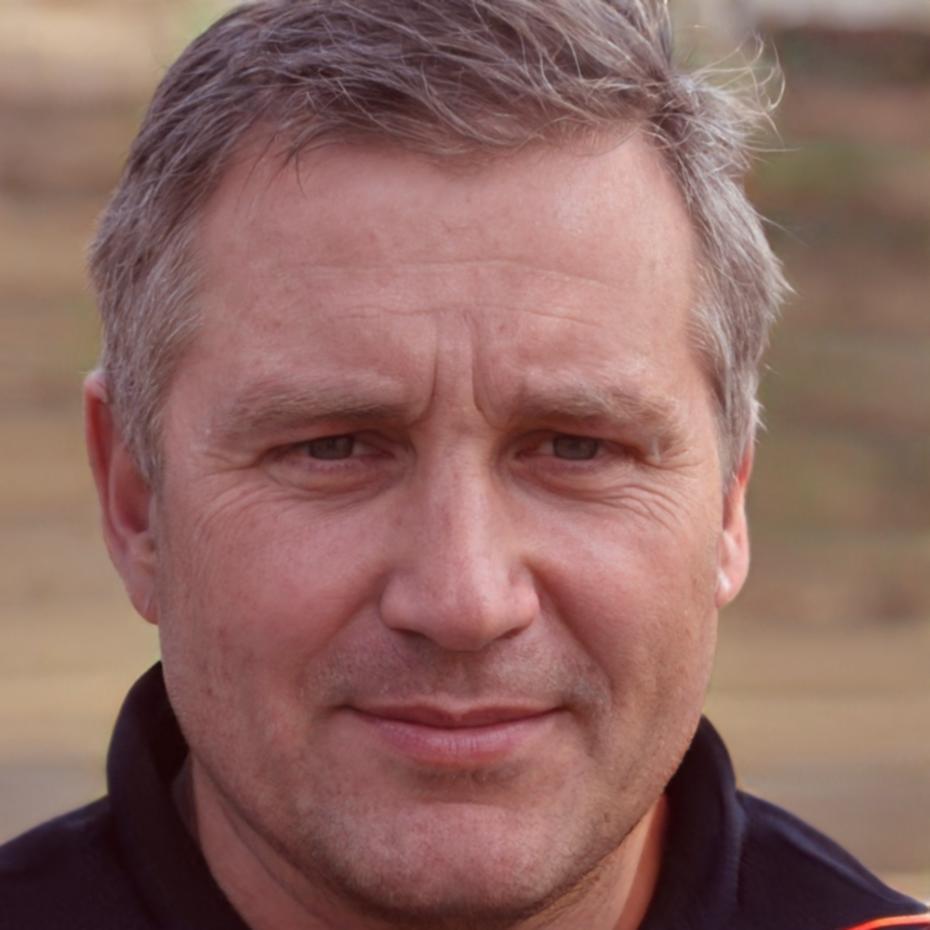
Torsten Lindquist
Budget Systems Specialist

Filip Kowalewski
Financial Monitoring Expert
Learn From Experienced Practitioners
Torsten spent eight years helping Melbourne businesses implement budget tracking systems before starting to teach. He's worked with everyone from small cafes to mid-sized manufacturers.
Filip managed household finance programs for a community organization in Canberra for six years. He's seen hundreds of budgets and knows what actually works when you're tracking real money.
Both teach from experience rather than theory. They've made their own tracking mistakes and figured out what holds up when unexpected expenses hit or income fluctuates.
Program Timeline
Six months of structured learning with weekly sessions and ongoing support
Foundation Month
Start tracking your actual spending. Set up your first monitoring system and learn basic categorization. You'll discover where your money goes without judgment — just observation and recording.
Budget Building Phase
Use your tracking data to construct a realistic budget. Learn to allocate funds across needs, wants, and savings while leaving room for flexibility. Adjust as you discover what works.
Pattern Analysis Period
Compare your months and identify trends. Learn to spot problems before they grow and recognize opportunities to shift spending. Practice making informed adjustments based on real data.
Advanced Management
Tackle complex scenarios like irregular income, seasonal expenses, and long-term goal planning. Build systems that adapt to life changes and maintain themselves with minimal effort.
Skills You'll Build
These aren't abstract concepts — they're practical abilities you'll use every month
Consistent Tracking Habits
You'll develop a daily routine for recording expenses that becomes automatic. Most students find they can track everything in under five minutes per day after the first month.
Budget Confidence
Creating and adjusting budgets stops feeling overwhelming when you base them on your actual numbers. You'll know what's realistic because you've watched your own patterns for months.
Early Problem Detection
Learn to spot concerning trends in week one instead of discovering problems months later. This skill alone can prevent financial stress from building unnoticed.
Personalized Systems
Build tracking methods that fit your life rather than forcing yourself into rigid templates. Your system should work for you, not create extra stress through unrealistic expectations.
Program Starts September 2026
We're accepting applications now for our next cohort. Class size is limited to maintain the practical, hands-on approach that makes this program effective. If you're ready to understand your money through real tracking and honest analysis, check the upcoming schedule.