Budget Skills That Actually Stick
We've been running these courses since 2019, and here's what we've learned – people don't need another budgeting spreadsheet. They need practical skills they can apply the same week. Our courses start in mid-2026, giving you plenty of time to prepare.

Coming in 2026
These courses have been shaped by real feedback from hundreds of participants. Each one tackles specific challenges that people actually face when trying to manage their finances better.
Foundation Budget Building
Stop guessing where your money goes. This course walks you through setting up a budget system that fits your actual life – not some ideal version of it. We cover income tracking, expense categories that make sense, and how to adjust when things change.
- Build your first working budget in week one
- Learn to categorize expenses without overthinking
- Handle irregular income and unexpected costs
Cash Flow Management
Having money and having it when you need it are two different things. This course focuses on timing – making sure you're not scrambling at month-end or missing opportunities because funds are tied up elsewhere.
- Map your actual payment cycles
- Create buffer systems that work
- Predict and prepare for cash crunches
Budget Recovery Workshop
Things go sideways sometimes. Maybe you overspent, had an emergency, or just fell off track. This workshop is about getting back on course without the guilt trip or starting completely over.
- Assess damage without panic
- Prioritize what needs immediate attention
- Rebuild momentum step by step
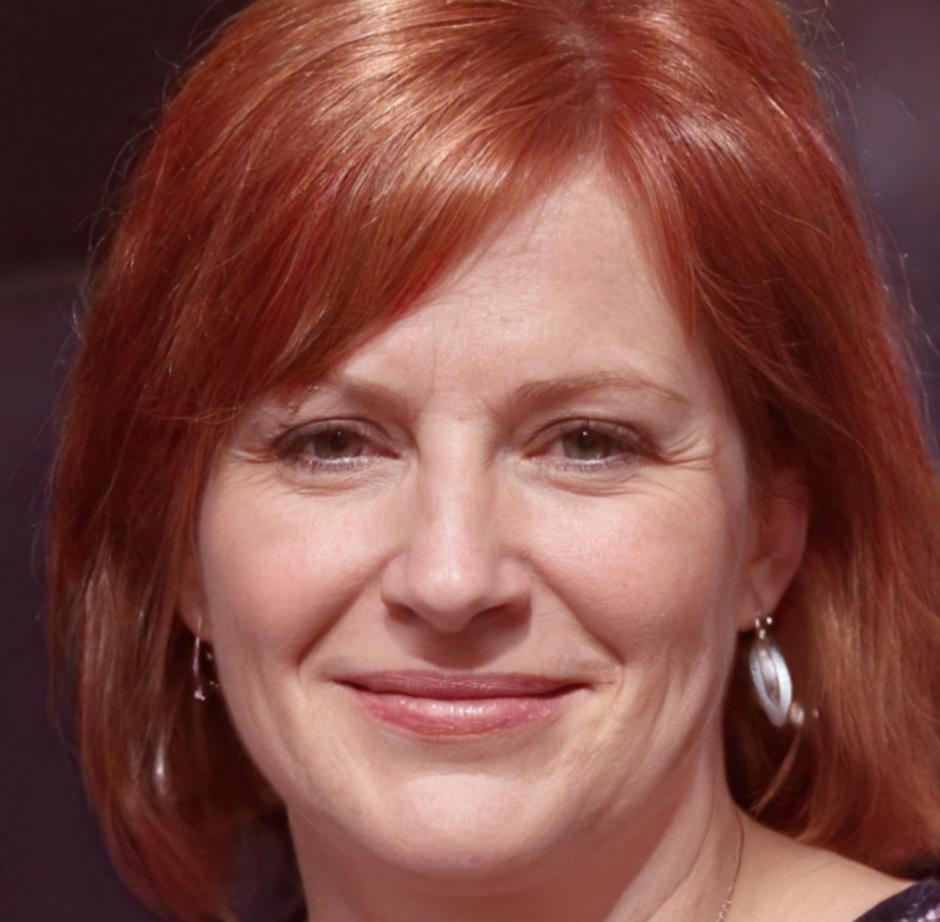
Petra Lindström
Budget Systems
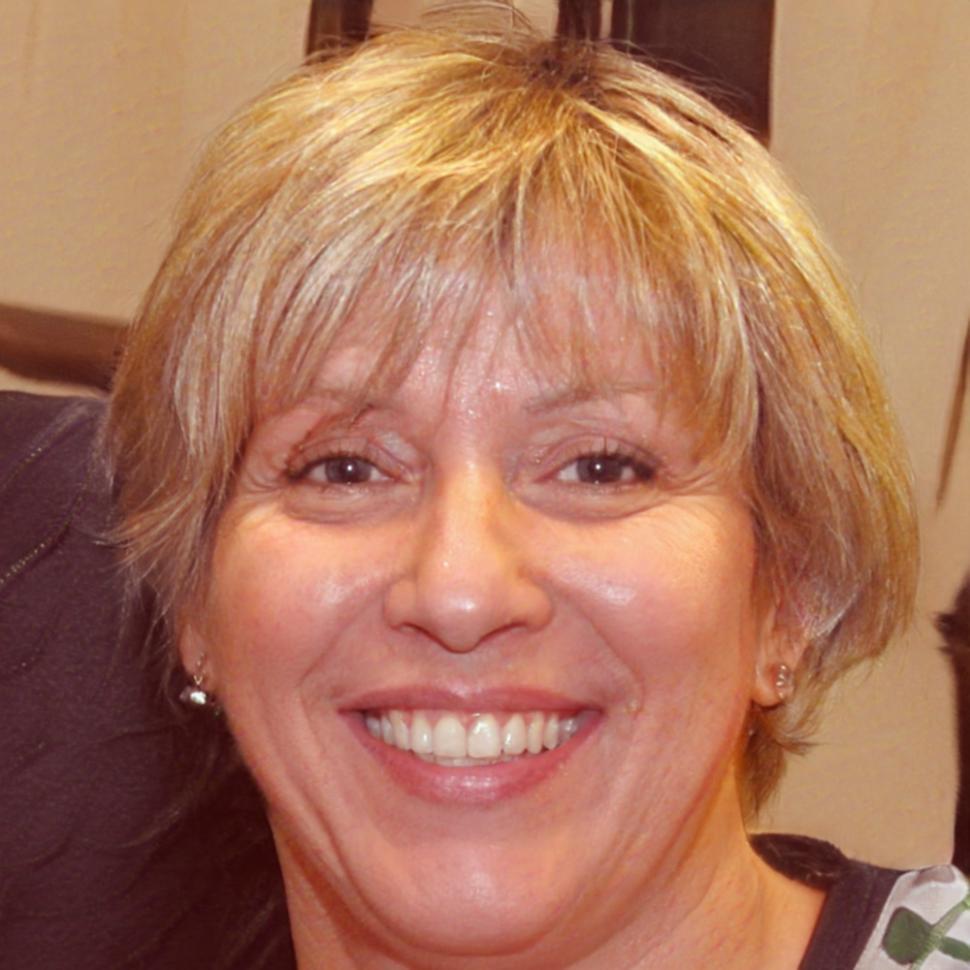
Siobhan Katsaros
Cash Flow Planning
Who's Teaching
Petra spent twelve years helping small businesses sort out their finances before moving into education. She's blunt about what works and what doesn't – no sugarcoating. Her approach is practical because she's seen what happens when theory meets reality.
Siobhan comes from a banking background but got frustrated with how little banks actually teach clients about managing money. She started running workshops in 2018 and hasn't stopped since. People appreciate that she admits when something is tricky rather than pretending it's easy.
How It Unfolds
Week One: Reality Check
We start by looking at what you're actually doing now – not what you think you should be doing. Most people are surprised by what they find. This isn't about judgment, just establishing a baseline so we know where we're starting from.
Foundation stageWeeks Two Through Five: Building Systems
This is where we create your actual budget framework. You'll set up tracking methods, establish categories, and start testing what works for your situation. Expect some trial and error here – that's normal and expected.
Core learning phaseWeek Six: Problem Solving
By now you've hit some obstacles. Good – that's what this week is for. We work through the specific issues that came up for you, adjust your approach, and figure out solutions that fit your actual life constraints.
TroubleshootingWeeks Seven and Eight: Refinement
Final adjustments and planning for what comes next. You'll have a working system by this point. Now we make it better and ensure you know how to maintain it without weekly support from us.
Completion stageGetting Started
Courses run in small groups – typically between eight and twelve people. This keeps things manageable and means you actually get individual attention when you're stuck. Sessions are held online, recorded for those who miss them, and include access to our support forum.
Format
Weekly 90-minute sessions plus optional office hours for questions
Materials
Templates, worksheets, and recorded sessions you can revisit anytime
Support
Forum access and email support throughout the course duration